
NATURAL STONE
KEY BENEFITS OF NATURAL STONE
What Is Granite?
Granite is a natural stone formed from cooled magma, known for its strength, durability, and unique mineral patterns. No two slabs are the same.
What Is Quartzite?
Quartzite is a natural metamorphic stone made from sandstone and quartz. It’s harder and more heat-resistant than granite, with a look often similar to marble but far more durable.
Does Natural Stone Require Sealing?
Yes. Most natural stones benefit from periodic sealing to protect against staining and moisture. Frequency depends on the stone and usage, but typically every 1–2 years.
Can Natural Stone Be Used Outdoors?
Absolutely—granite and quartzite are excellent outdoor options. They handle extreme temperatures and UV exposure better than engineered materials.
How Do I Prevent Chips or Cracks?
Avoid standing or leaning on overhangs, use cutting boards, don’t slam heavy pots, and protect edges when possible. Proper installation and support also prevent stress cracks.
Does Natural Stone Stain Easily?
It can stain if left unsealed or if spills (like wine, oils, or coffee) sit too long. Sealing and quick cleanup help prevent stains and keep the surface looking its best.
OUR PROGRAM COLORS
Natural stone offers unique, one-of-a-kind patterns with luxury textures and elevated visual depth perfect for high-end kitchens and bathrooms.

Natural Stone Black Pearl
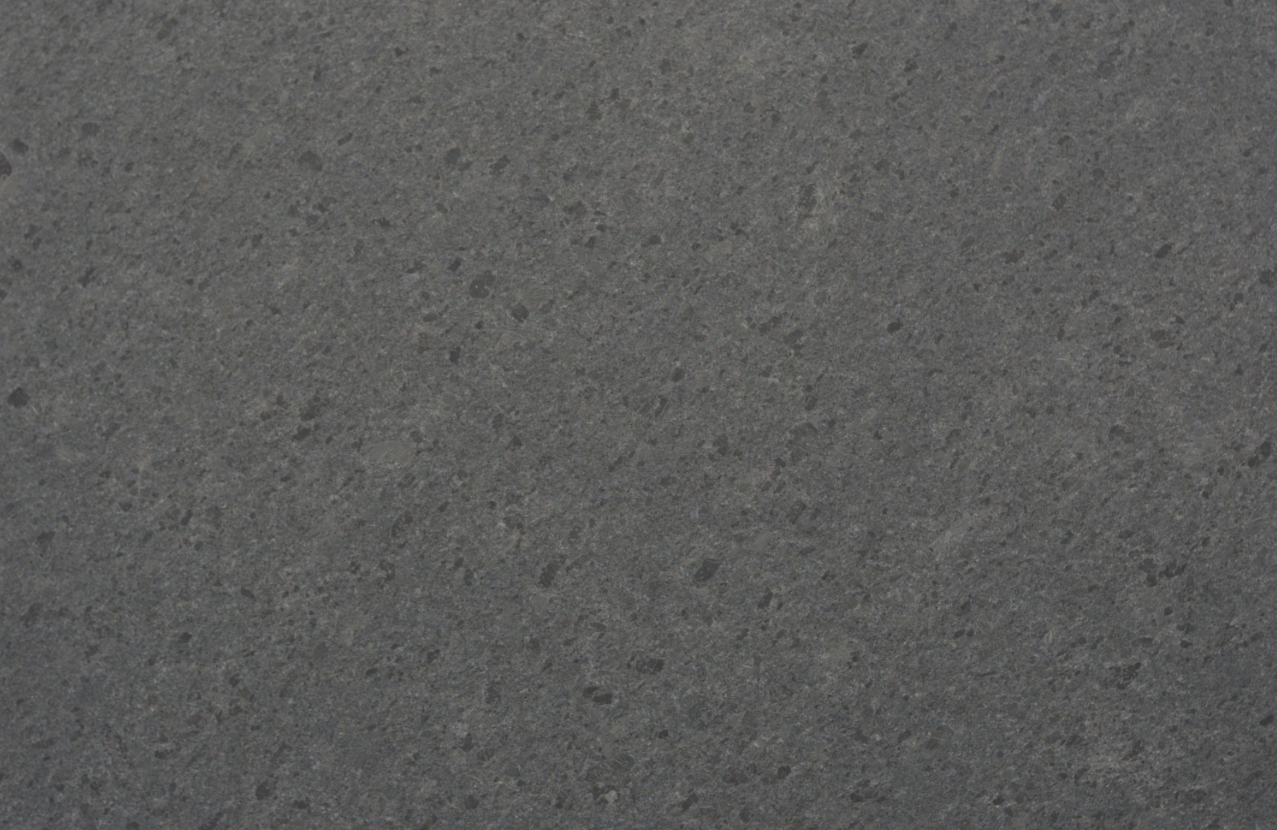
Natural Stone Steel Grey
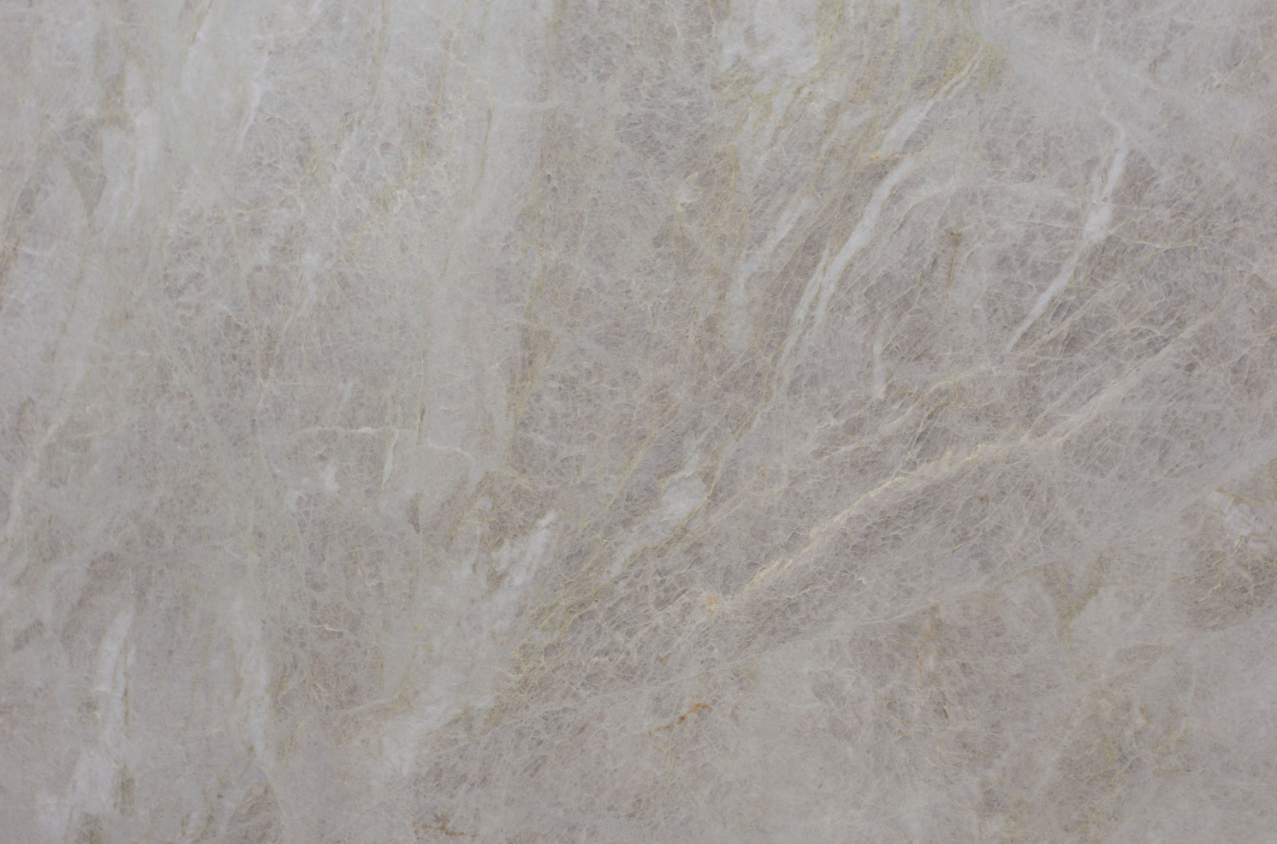
Natural Stone Taj Mahal
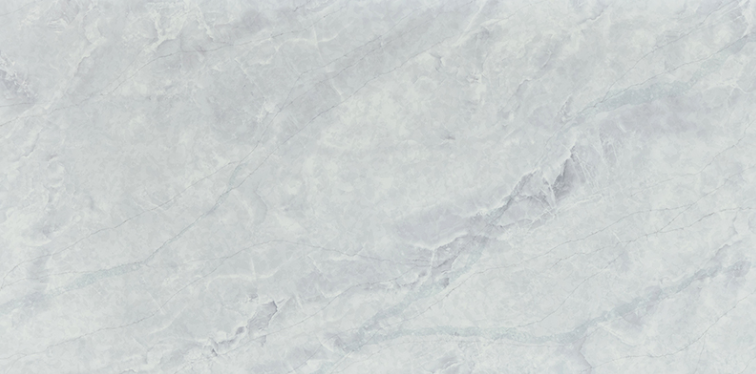
Natural Stone Crystallo Glace
Natural Stone Black Pearl
Natural Stone Steel Grey
Natural Stone Taj Mahal
Natural Stone Crystallo Glace
Natural Stone Black Pearl
Natural Stone Steel Grey
Natural Stone Taj Mahal
Natural Stone Crystallo Glace
Natural Stone Care & Maintenance Tips
Proper care and maintenance are essential for natural stone. Because these materials are porous, routine sealing, gentle cleaning, and avoiding harsh products help protect against staining, etching, and wear. With the right upkeep, your stone surfaces stay beautiful, durable, and long-lasting.
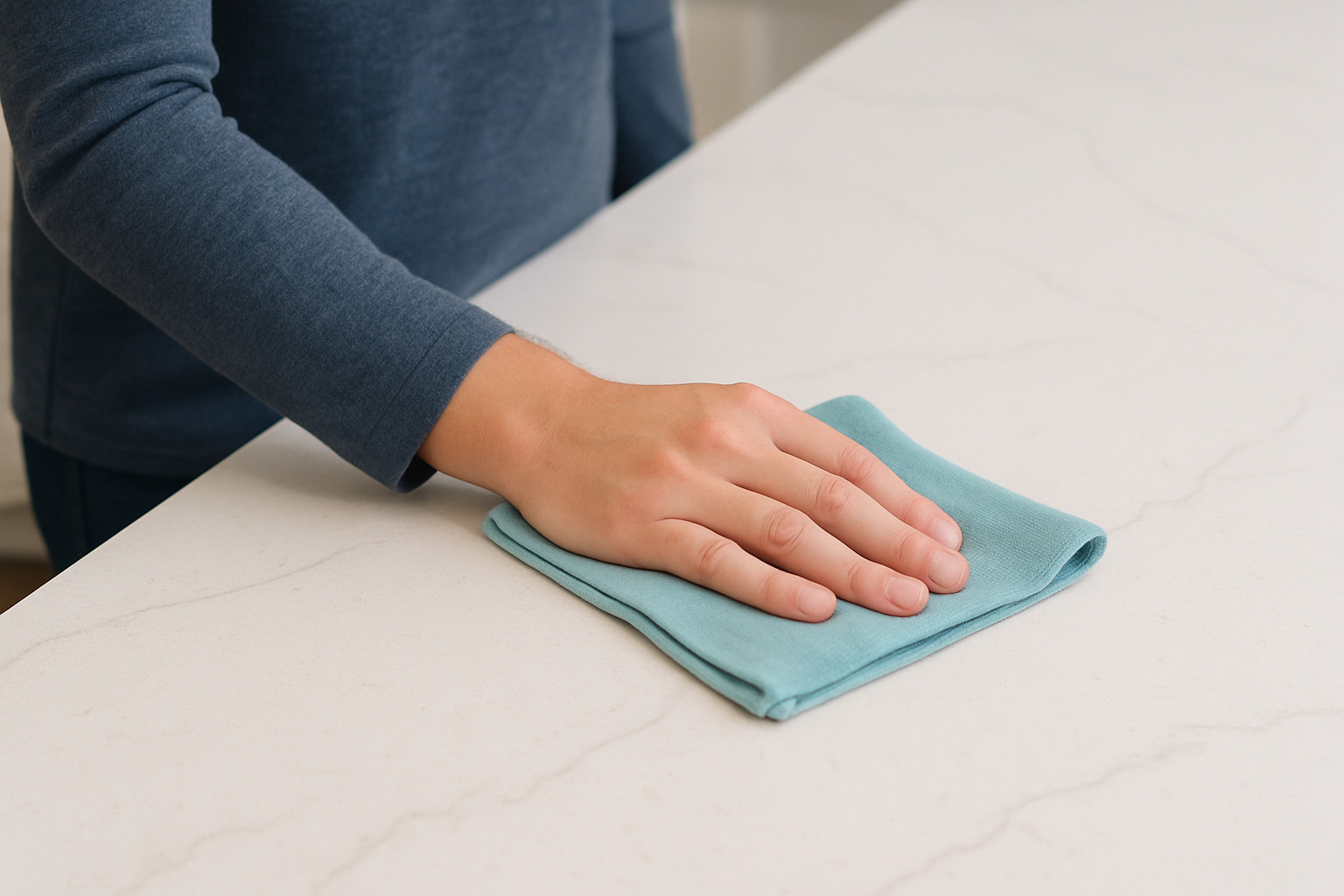
Daily Cleaning
-
Use a pH-neutral stone cleaner or mild dish soap
-
Avoid harsh chemicals that can etch or dull the surface
-
Use a soft cloth or non-abrasive sponge
Sealing
-
Granite & quartzite typically require sealing once every 1–2 years
-
Marble requires sealing more frequently
-
You can test by putting a few drops of water on the surface — if it darkens, it’s time to reseal
Stain & Etch Prevention
-
Clean spills immediately, especially:
-
Wine
-
Coffee
-
Tomato-based sauces
-
Citrus juice
-
Vinegar
-
Oils
-
-
Marble is particularly sensitive to acidic ingredients
Heat Protection
-
Granite and quartzite handle heat well, but trivets are always recommended
Avoid These Cleaners
Do not use:
-
Vinegar
-
Lemon or citrus-based cleaners
-
Bleach
-
Glass cleaners (can cause streaking and film)
-
Abrasive scrubbers
-
Ammonia-based cleaners
Other Tips
-
Use cutting boards to protect the stone & keep knives sharp
-
Don’t sit or stand on stone countertops (can cause cracks at seams)
-
Protect the surface from heavy impact
OUR TRUSTED PARTNERS